In April 2015, B.K. Stevens debuted the blog series “The First Two Pages,” hosting craft essays by short story writers and novelists analyzing the openings of their own work. The series continued until just after her death in August 2017, and the full archive of those essays can be found at Bonnie’s website. In November 2017, the blog series relocated to my website, and the archive of this second stage of the series can be found here.
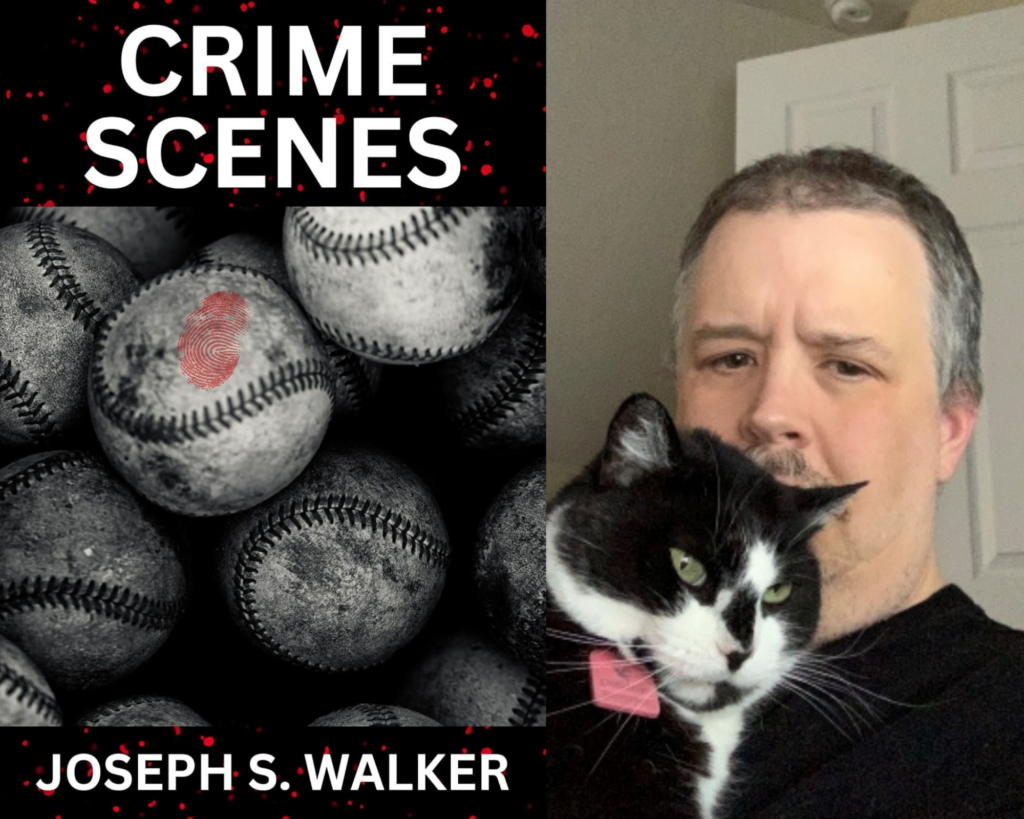
Joseph S. Walker’s Crime Scenes is a milestone collection: the first book from one of the great short story writers of our time. Joe’s stories have been frequently selected, year after year even, for the annual Best of the Year anthologies, and he’s been a finalist for the Edgar, Derringer, Shamus, and Thriller Awards, as well as twice-winning the Al Blanchard Award at Crime Bake—and all those awards and honors are more than well-deserved. Joe’s short fiction is a model of carefully calibrated suspense and delightful surprise, all crafted not only with a master’s skill but also with an eye toward giving the reader a great time. Simply put, Crime Scenes is a must-have collection, and I’m thrilled to be hosting Joe today to reflect on one of the stories from the book: “Haven.”
While I frequently learn something myself from the First Two Pages essays that come my way, I want to add that Joe’s contribution seems particularly insightful—one of the best of these essays that I’ve published. He does a great job of looking back on an early project and weighing it a-fresh with the benefit of time and objectivity: what works, what might he have done differently, and where does this early writing reveal both the influences on him and the earliest seeds of his own developing style? But as much as he focuses on the story itself, Joe also reflects on process—and one insight struck me: how he used to get bogged down in story drafts when he didn’t know where the story was going or what to write next, but that now he keeps pushing ahead.
“I really think this is one of the things that separates my decades as an aspiring writer from my years as an actual professional,” he writes. “The aspiring writer fooled around with ideas and mused about what the story might be. The professional nailed it down and finished it, for better or worse, and moved on to the next thing.”
Since I often feel stymied, even now, with what to do next in a story, this is a good reminder to me to be more professional myself—and hopefully good advice to other writers out there, aspiring or otherwise.
You can—and should!—pick up copies of Crime Scenes though Amazon, Barnes & Noble, Bookshop, and elsewhere. And in the meantime, enjoy the essay below.
Please use the arrows and controls at the bottom of the embedded PDF to navigate through the essay. You can also download the essay to read off-line.